
AI-Powered Recruitment
Designed a multi-agent recruitment experience that helps hiring managers hire better and job seekers apply smarter.
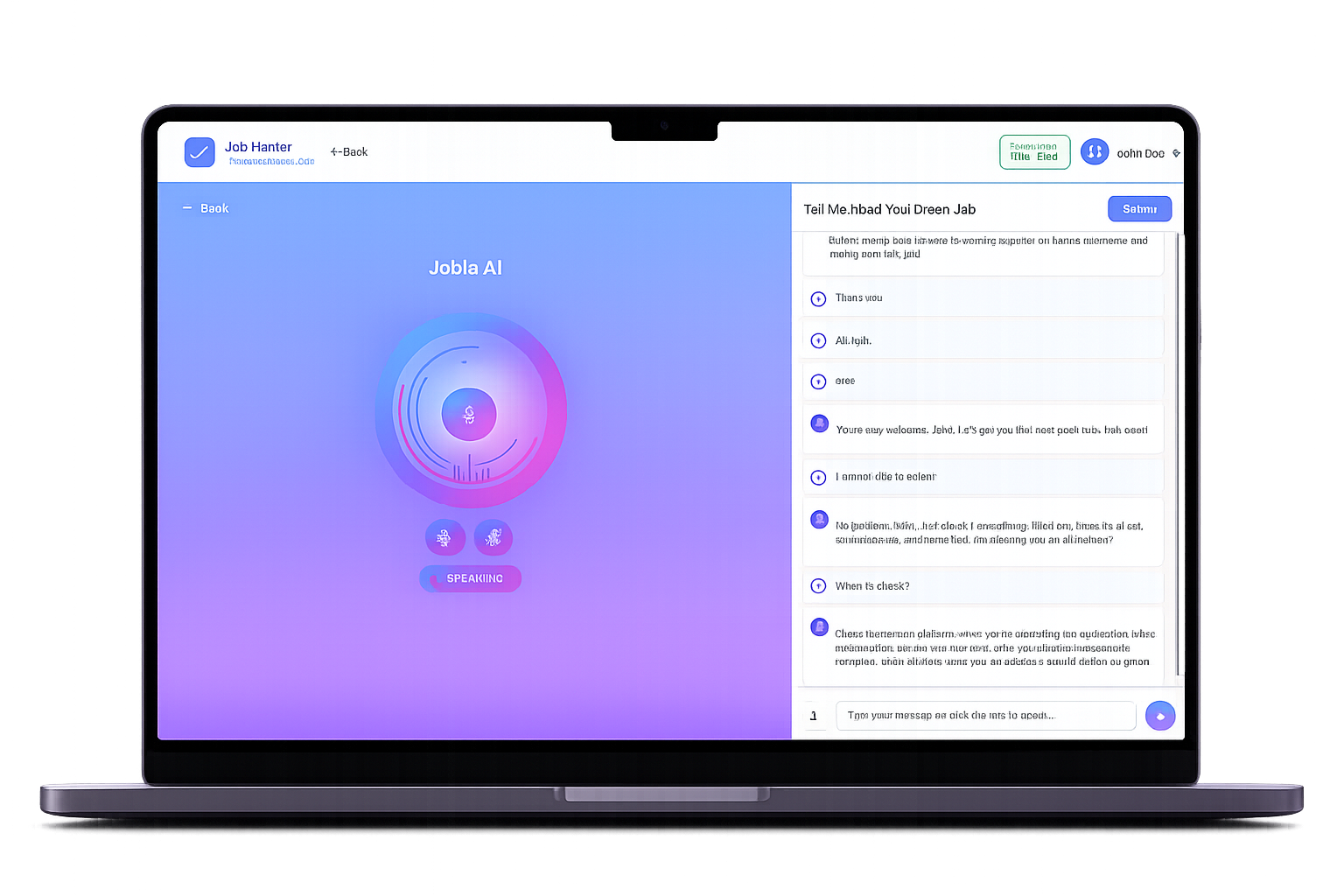
Overview
Recruitment is filled with inefficiencies on both sides of the process. Hiring managers struggle to translate hiring needs into structured requirements, while job seekers spend significant time tailoring applications, searching for relevant opportunities, and navigating repetitive tasks. Although countless recruitment platforms exist, most operate as databases and workflow tools. They store information efficiently but provide little guidance when decisions become complex.
Jobla AI emerged from a different hypothesis. Rather than building another recruitment platform, we explored whether AI could actively participate in the hiring process itself. The challenge was not to automate recruitment, but to reduce friction, improve consistency, and help users make better decisions without sacrificing trust or control.
The project evolved into the design of a multi-agent recruitment ecosystem that supports both hiring managers and job seekers throughout their entire journey.
My Role
AI Product Designer & Evals Lead
Contributed to Jobla AI across AI agent behavior, human-AI collaboration, conversational UX, and interaction design, optimizing agent responses and user flows. Developed AI evaluation frameworks and led a team of three evaluators to assess and improve agent performance.
Tools
Figma, FigJam, Figma Make, Notion, Braintrust
Understanding the Real Problem
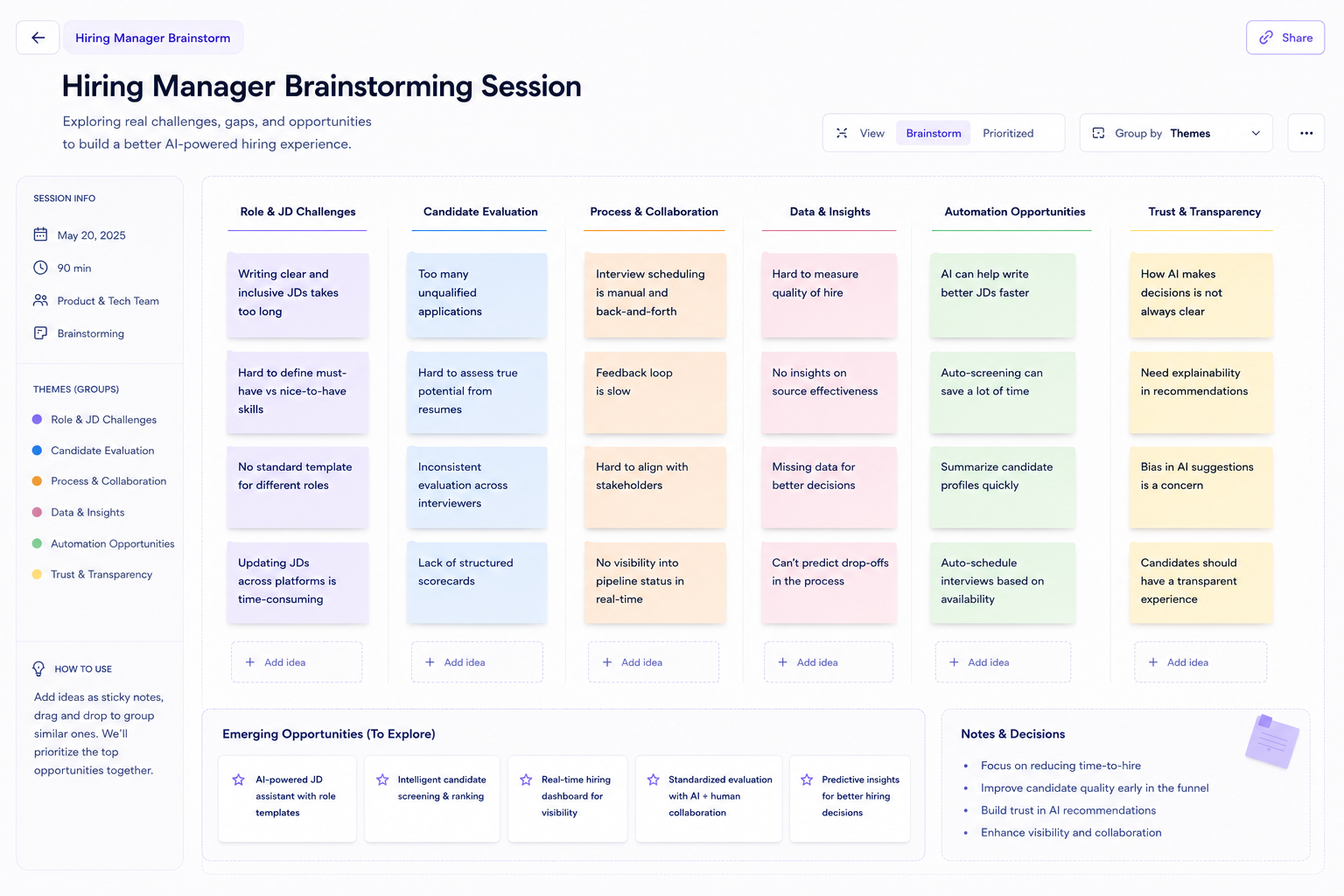
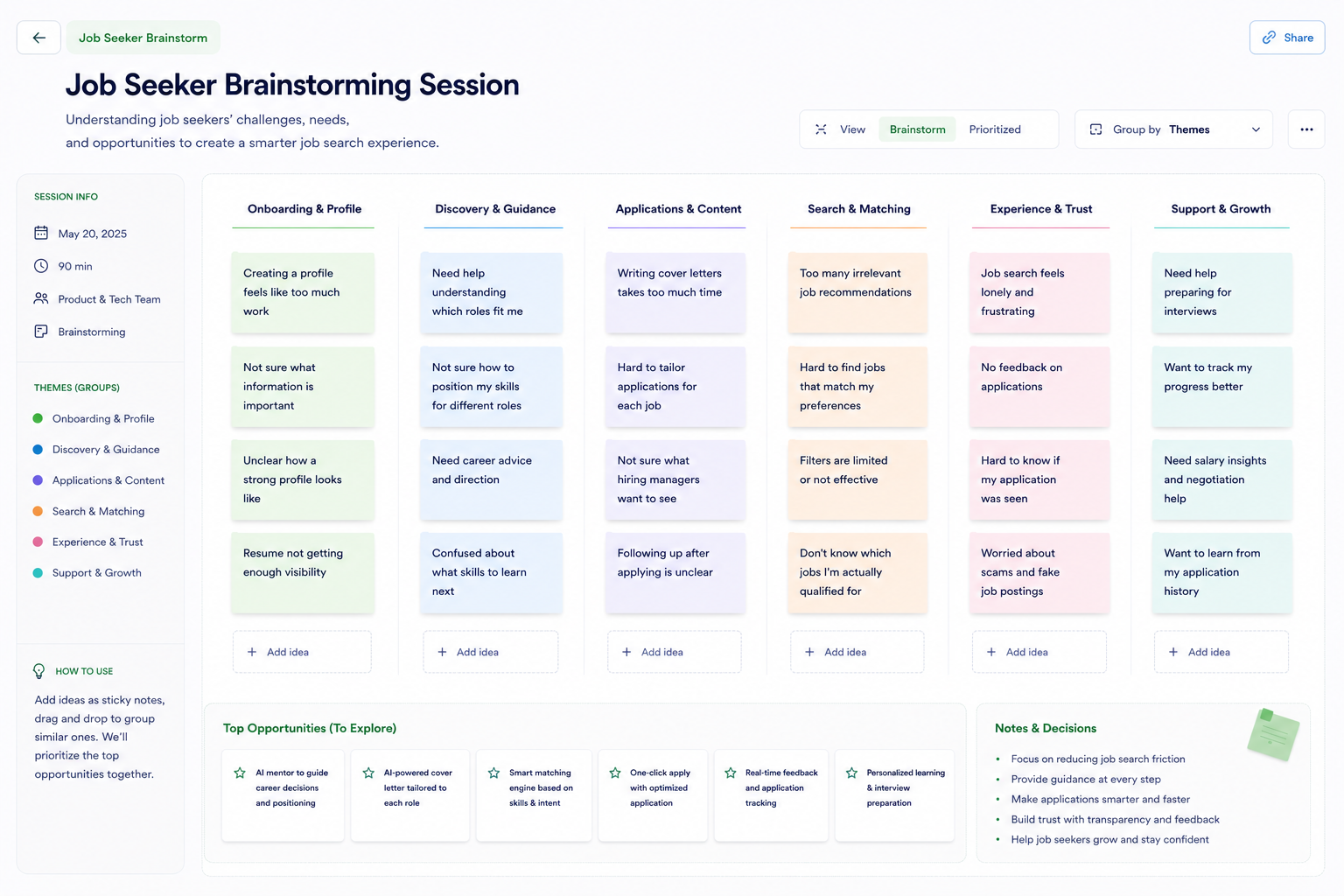
Early conversations with stakeholders revealed that the visible problems were symptoms of a deeper issue. Hiring managers described challenges around writing job descriptions, evaluating candidates, and maintaining consistency across interviews. Job seekers spoke about repetitive applications, generic recommendations, and the effort required to tailor materials for every opportunity.
At first glance these appeared to be separate problems. However, when mapping both journeys side by side, a pattern emerged. Neither group lacked tools. They lacked guidance.
Recruitment platforms were asking users to perform complex tasks independently while offering little support in moments that required expertise. Hiring managers were expected to define hiring criteria from scratch. Job seekers were expected to position themselves effectively without meaningful assistance. In both cases, users were navigating uncertainty alone.
This insight fundamentally changed the direction of the project. Instead of asking how we could add AI features into an existing workflow, we began asking where intelligent guidance could create the greatest value.
From Features to Guided Experiences
Most recruitment products are organized around features. Users move between dashboards, forms, filters, and tables while carrying the cognitive burden of decision-making themselves.
Our approach shifted the focus from features to outcomes.
Rather than designing screens for creating job descriptions, evaluating candidates, or generating applications, we designed journeys that progressively moved users toward their goals. This reframing allowed us to think about recruitment as a sequence of conversations, decisions, and moments of uncertainty rather than a collection of interface components.
The implication was significant. If users required different types of guidance at different moments, a single generic AI assistant would struggle to provide the depth and context required across the entire experience. This realization led to one of the most important product decisions in the project.
Choosing Multiple AI-Assitants
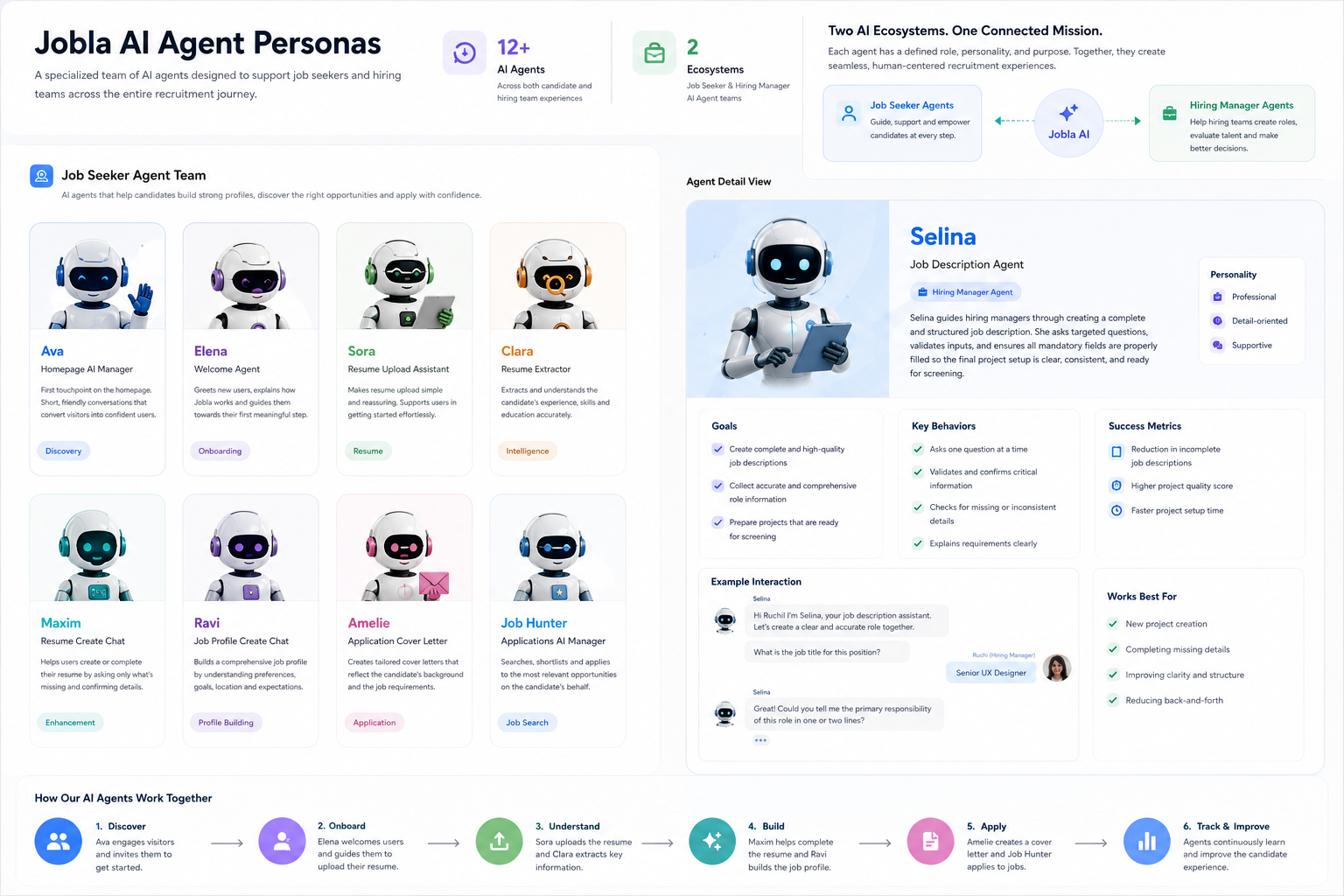
One of the earliest strategic questions was whether Jobla should rely on a single AI assistant capable of handling every recruitment task. While this approach appeared simpler from a product perspective, it quickly became clear that it introduced substantial complexity for users.
The expectations placed on an assistant helping a hiring manager create evaluation criteria are fundamentally different from those placed on an assistant helping a candidate write a cover letter. Each task requires different objectives, context, tone, decision-making boundaries, and measures of success.
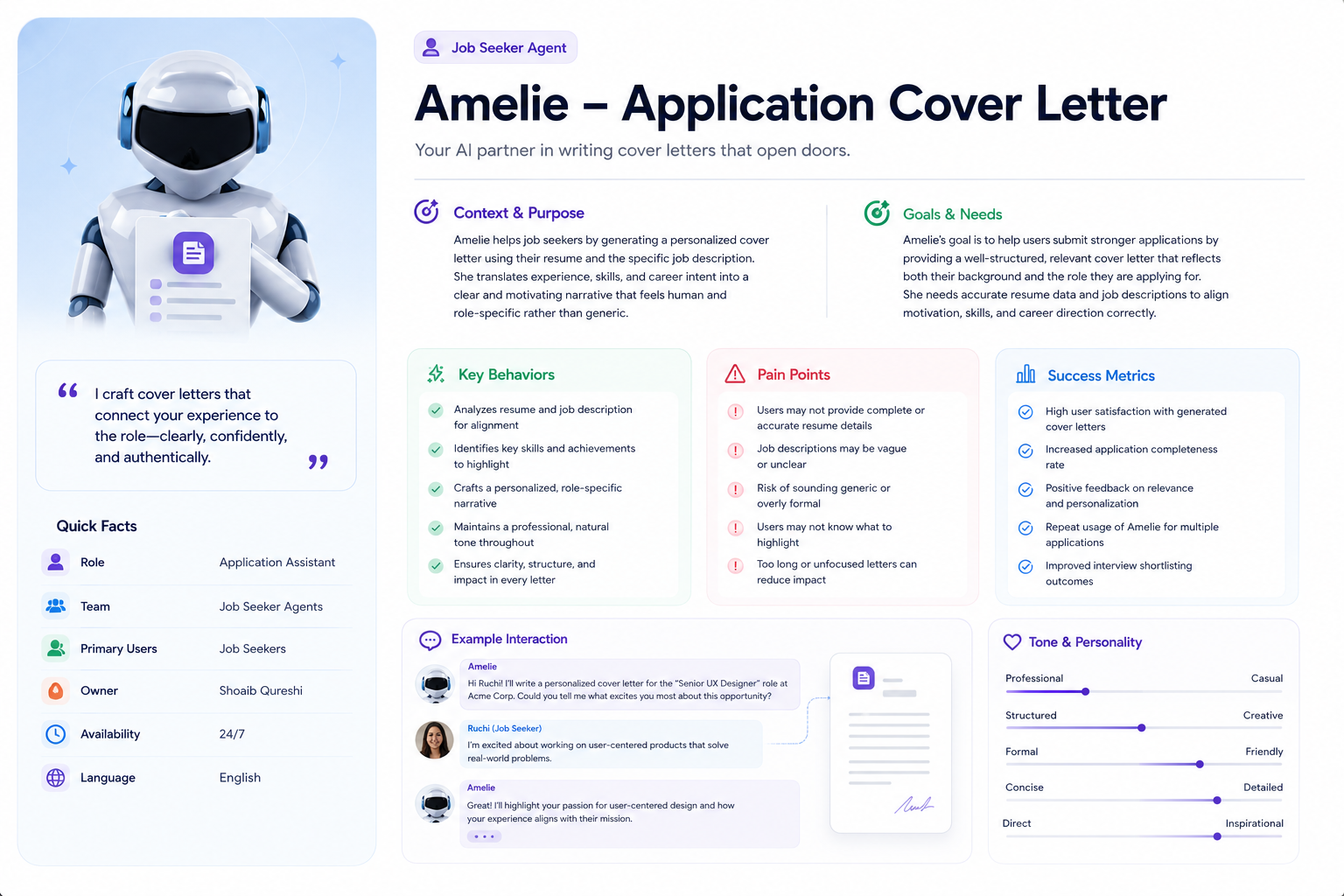
Rather than building one assistant that attempted to do everything, we designed a system of specialized AI agents. Each agent was responsible for a specific stage of the recruitment process and was intentionally optimized for a narrowly defined outcome.
This approach improved clarity for users, reduced ambiguity in AI behavior, and created a scalable framework for future expansion. More importantly, it allowed us to design AI interactions with the same level of intentionality traditionally applied to product features.
The prompt system eventually evolved into a behavioral framework that allowed agents to maintain consistent personalities, communication styles, and goals across multiple interaction points.
For me, this represented one of the most important lessons of the project. In AI products, behavior often has a greater impact on user experience than interface design.
Designing Behavior as a Product Surface
Trust emerged as a recurring theme throughout the project. Users were interested in AI assistance, but they were uncomfortable with the idea of AI making decisions on their behalf. This became especially evident when designing application automation.
Technically, it would have been possible for AI to discover opportunities and apply automatically. Research suggested this would be a mistake. Participants consistently wanted visibility and control over the process. As a result, we established a principle that guided the product: AI recommends. Humans decide.
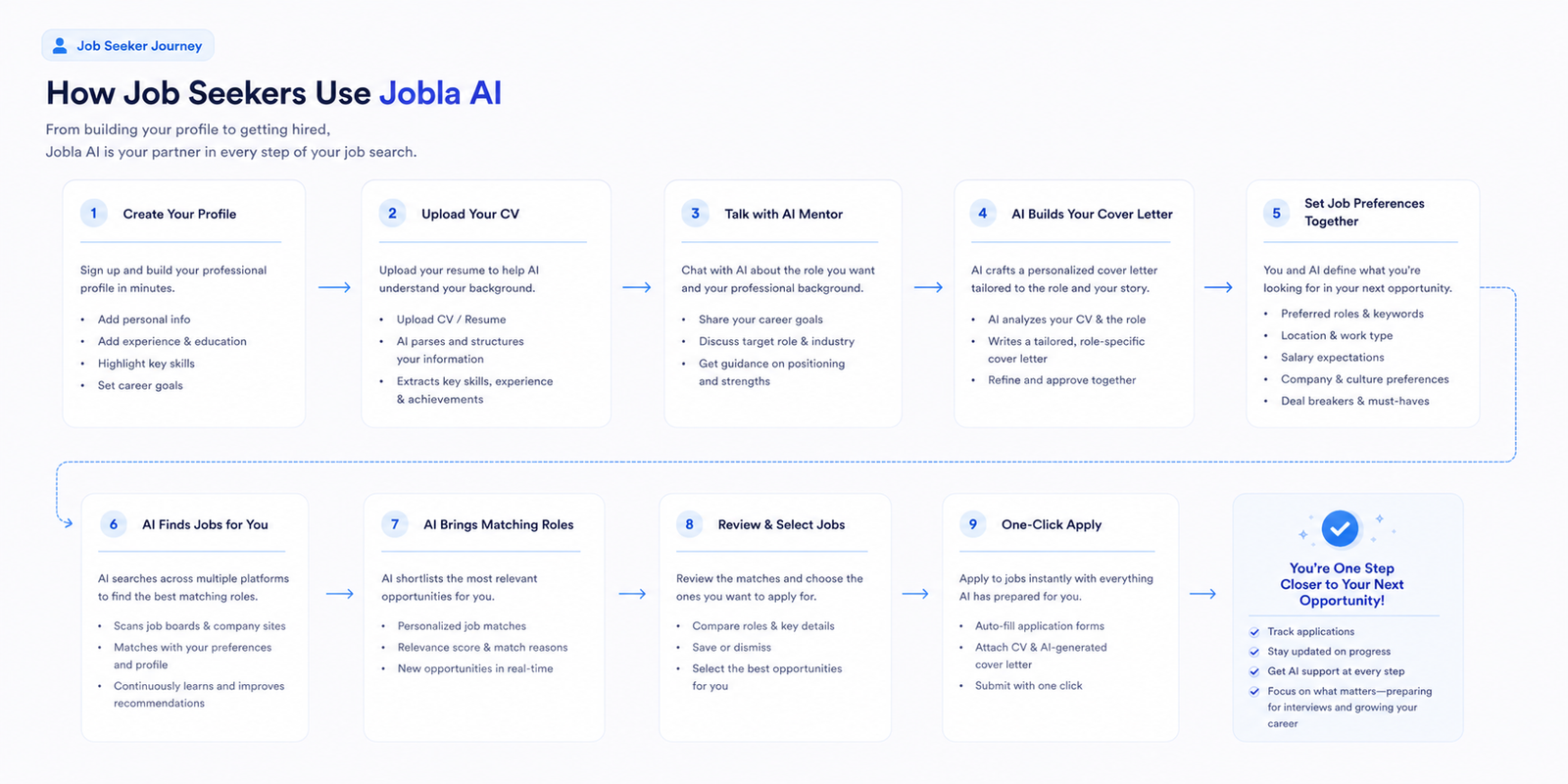
Rather than fully automating applications, the system surfaced recommendations and required user approval before taking action. This preserved trust while still reducing effort. The same principle later influenced candidate ranking, interview evaluations, and hiring recommendations.
Mapping Recruitment as Connected Journeys
Once the agent architecture was established, the next challenge was understanding how these assistants would work together across the broader recruitment experience.
On the hiring side, the journey begins with defining hiring needs and gradually progresses through project setup, evaluation design, candidate review, and decision-making. On the job seeker side, the experience moves from profile creation and resume understanding to application preparation, opportunity matching, and submission.
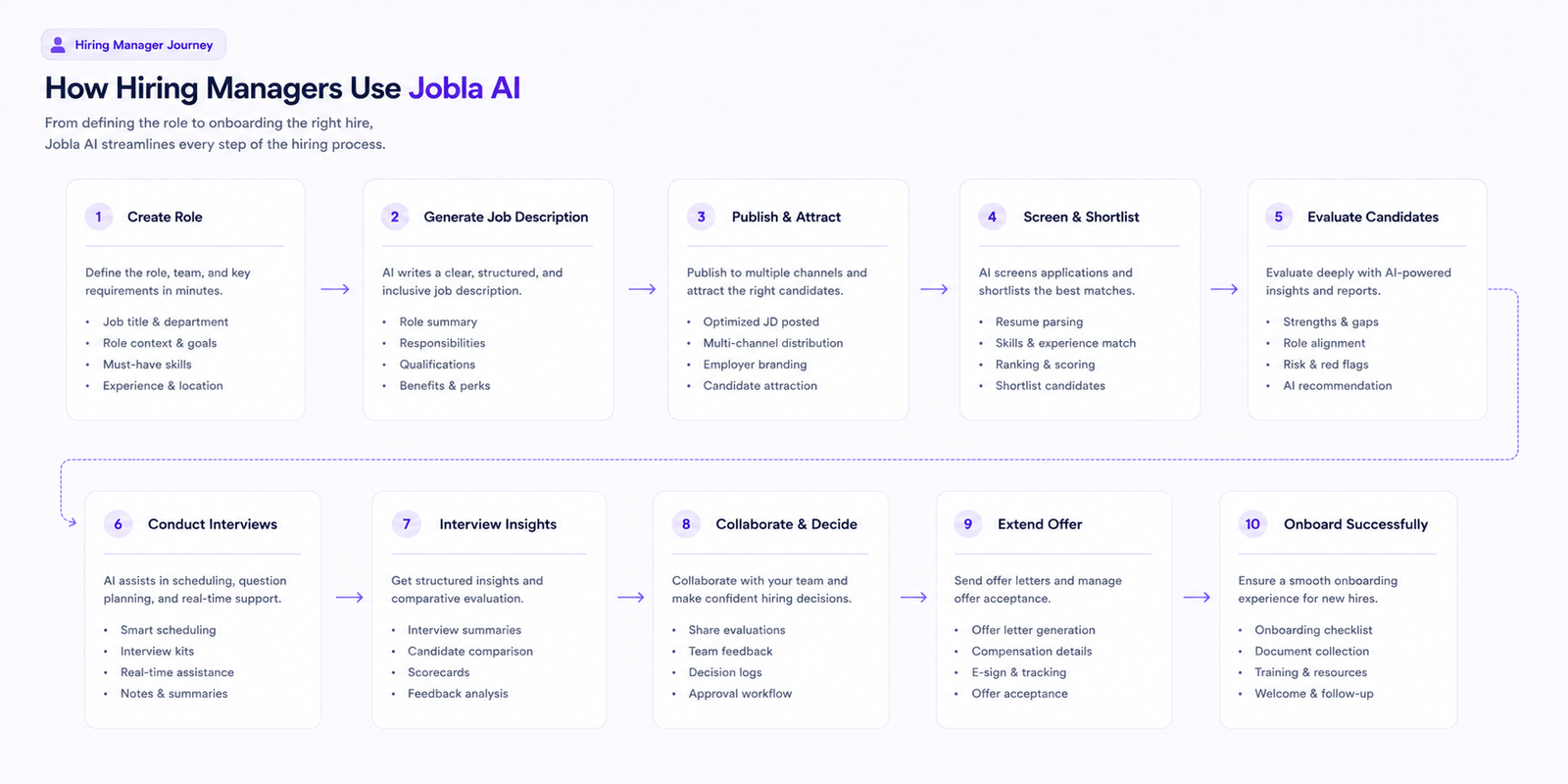
Rather than viewing these as isolated workflows, we designed them as connected journeys where AI support appears at moments of highest friction and disappears when human judgment becomes more important.
The resulting experience balances automation with control, allowing users to remain decision-makers while reducing the effort required to move forward.
Designing Trust into the System
Trust became one of the defining design challenges throughout the project. Recruitment decisions directly affect careers and businesses, making blind automation unacceptable.
Instead of positioning AI as a replacement for human judgment, we deliberately positioned it as an advisor. The product was designed to assist, recommend, structure, and guide, while ensuring that critical decisions remained visible and reviewable by humans.
This principle influenced everything from agent responsibilities and conversational tone to workflow structure and evaluation criteria. The goal was not to maximize automation. The goal was to maximize confidence.
Measuring AI Quality Beyond Functionality
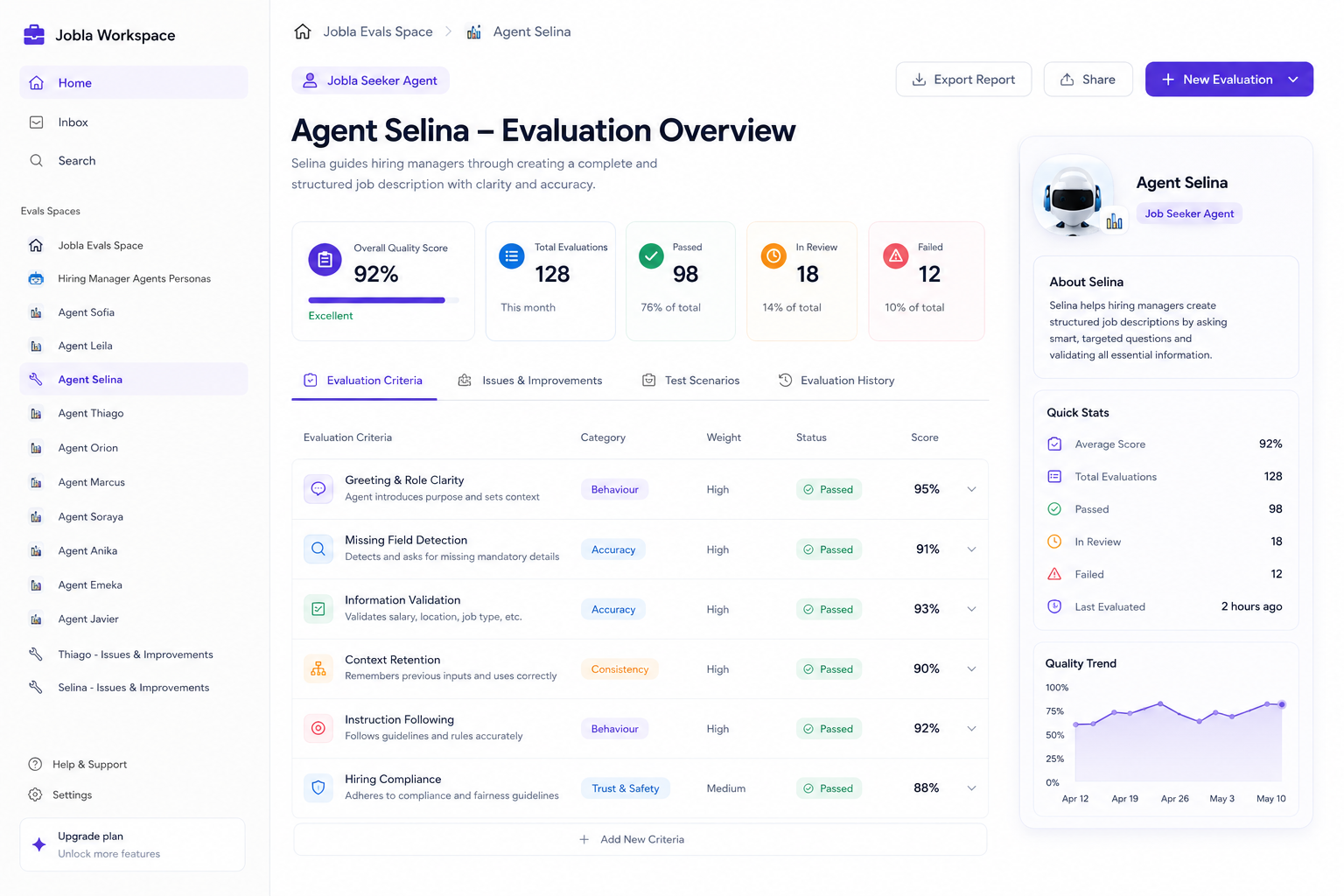
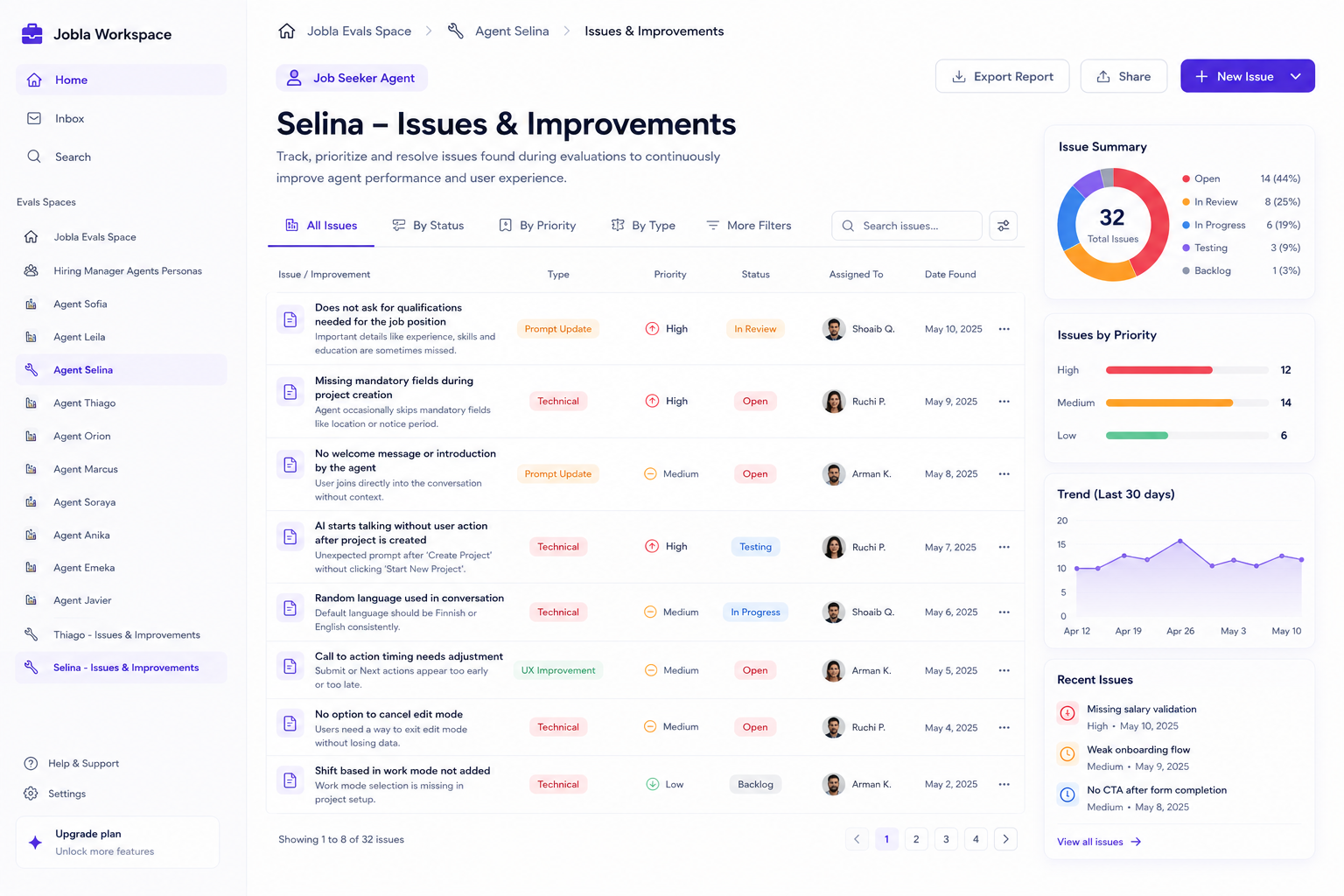
A common challenge in AI products is that successful execution does not necessarily produce successful outcomes. An assistant can generate a response while still failing to meet user expectations. To address this, we developed evaluation frameworks that measured AI quality beyond simple functionality. Each assistant was assessed against criteria related to context awareness, consistency, instruction adherence, behavioral alignment, and overall response quality.
These frameworks transformed AI evaluation from subjective observation into a structured design process. They also provided a mechanism for identifying weaknesses, prioritizing improvements, and maintaining quality as the system evolved.
Impact & Reflection
The most significant lesson from Jobla AI was that designing AI products requires a shift in perspective. Traditional UX often focuses on information architecture, navigation, and interface design. While those disciplines remain important, they are no longer sufficient on their own.
Designing Jobla required thinking about behavior, trust, decision-making, and system orchestration at a product level. The challenge was not creating better screens. The challenge was creating a framework where humans and AI could collaborate effectively toward meaningful outcomes.
What began as an exploration of AI-assisted recruitment ultimately became an exercise in designing guidance itself. That shift—from designing interfaces to designing intelligent experiences—was the most valuable outcome of the project.